Content asset · the gardening year
A seasonal maintenance calendar for a Wiltshire garden
Most gardens do not need more work — they need the right work in the right month. This is the calendar we build a maintenance round around: what a lawn, hedge, border and hard surface actually want, month by month, on the thin chalky soils and mild, wet winters typical of Salisbury and south Wiltshire. Use it yourself, or hand the lot to us.
Spring
March – May
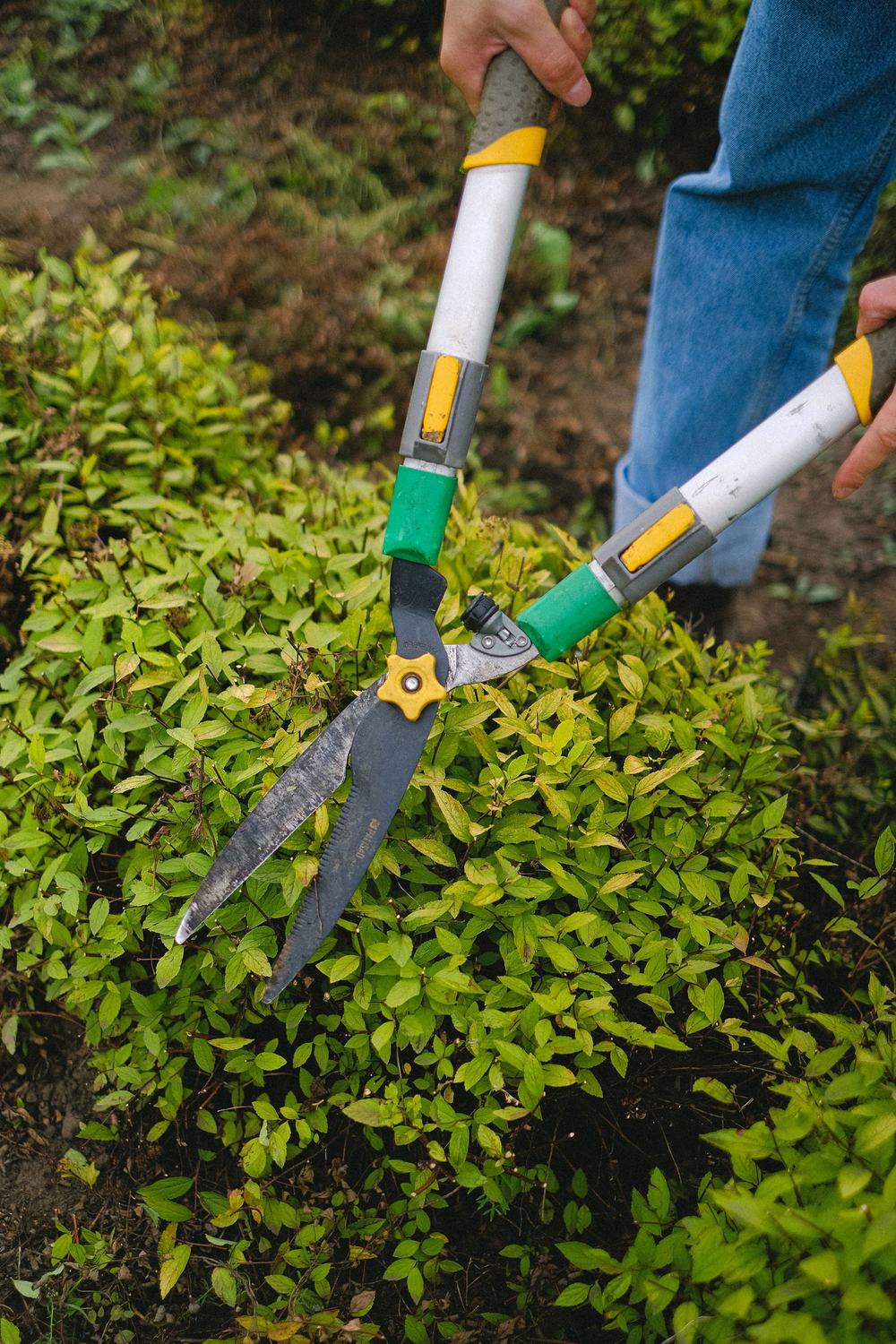
The busiest quarter and the one that sets up the year. March: first cut with the blades high, beds weeded, edged and mulched before growth closes in, summer-flowering shrubs pruned. April: mowing moves to a fortnightly rhythm, new planting goes in while the soil is warming and still holds moisture, turf laid now has a full season to root. May: hedges get their first trim where no birds are nesting, roses are tied in and fed, and weed control on drives and patios is far easier while growth is soft.
- First cuts, blades high
- Mulch and edge every bed
- Prune late-flowering shrubs
- Lay turf and plant out
- First hedge trim (check for nests)
Summer
June – August
Holding the line rather than starting anything. Grass wants cutting every ten to fourteen days, raised a notch in a dry spell so the sward shades its own roots — chalk soils dry out fast and a scalped lawn browns off within the week. Formal hedges take their main cut once nesting season is safely past. Deadheading keeps roses and bedding going into September, and borders get one proper weed before everything sets seed. This is where a regular round pays for itself: little and often beats a rescue in October.
- Mow every 10–14 days
- Raise the cut in drought
- Main hedge cut
- Deadhead and tie in
- Weed before seed sets
Autumn
September – November
Tidying, and the best window for anything structural. September and October are the strongest months of the year for turfing and seeding — warm ground, reliable rain, no mowing pressure — and the best time to plant shrubs and hedging so roots establish before the cold. Lawns get a final cut with the blades raised, leaves are cleared off grass and out of beds before they mat, herbaceous growth is cut back and divided, and gutters, drives and patios are dealt with before the wet sets in.
- Turfing and seeding window
- Plant shrubs and hedging
- Final cut, blades raised
- Clear leaves off lawns
- Cut back and divide perennials
Winter
December – February
Quiet above ground, which is exactly why it is the right time for the heavy jobs. Clearance is far quicker with the growth down and the ground firm: brambles, overgrown corners and collapsed shrubs come out in a fraction of the time they take in July. Dormant trees and deciduous shrubs can be pruned for shape while the framework is visible. Fencing, walling and patio work are booked now because nothing is growing to be trampled. February brings the winter wash of moss off paths and the first tidy before it all starts again.
- Garden clearance while growth is down
- Dormant pruning for structure
- Fencing, walling, patios
- Moss and algae off hard surfaces
- Plan and book the year's round
What shapes the work
No two gardens want the same year.
How much a site needs, and when, comes down to a handful of things. These are exactly what we work through with you at the free quote.
- 01How much of the plot is lawn, how much is hedge and how much is border — hedges and borders drive the visit length far more than grass does.
- 02Whether the garden is being kept ticking over or needs bringing back from overgrown first; those are two different jobs and two different quotes.
- 03What you actually have growing. Some hedges and shrubs have a strict cutting window, and nesting season closes others off between March and August.
- 04Soil and aspect. Thin chalky ground drains fast and bakes in July; a shaded clay corner behaves nothing like a south-facing bank in the same garden.
- 05Whether the site is domestic or commercial. Communal paths, car parks and visitor frontage carry a duty of care that a back garden does not.
- 06How many visits you want in the year — the fixed price is built on that number, so it is worth deciding it honestly at the start.
None of this is complicated; it is just relentless. If you would rather not track it, that is exactly what a maintenance contract is for — an agreed number of visits, a fixed price, and the right job happening in the right month whether or not anyone remembered.
Rather not keep track of it?
A maintenance contract is an agreed number of visits at a fixed price, with the right job happening in the right month. Ask us to come and look — it costs nothing.